
If you are an active outdoor enthusiast in Helena, MT, you live for the trails, the slopes, and the vast Montana wilderness. When an injury strikes, the most pressing question is not just whether you will get back to doing what you love, but how long it will take. Whether it is a tweaked knee from a run on Mount Helena or a nagging shoulder from hauling a pack, the frustration of being sidelined is real.
Establishing a realistic timeline is essential for managing expectations and staying motivated. This guide covers typical physical therapy timelines for common injuries, helping you navigate your recovery with the support of expert performance physical therapy in Helena, MT.
Factors That Influence Your Recovery
The path to recovery is rarely a straight line. Several critical elements determine how quickly your body heals and when you can safely return to the activities you love.
Injury Severity and Type
The nature of the injury is a primary factor. A minor hamstring strain from an overzealous trail run will naturally heal faster than a complex ligament tear. Acute injuries, which are new and sudden, often respond more quickly to treatment than chronic issues. Long-standing pain frequently involves compensatory movement patterns that take more time to correct.
Different tissues also have varying regenerative capacities. Muscles have a strong blood supply and heal relatively quickly, while tendons and cartilage require more time and targeted intervention.
Consistency and Compliance
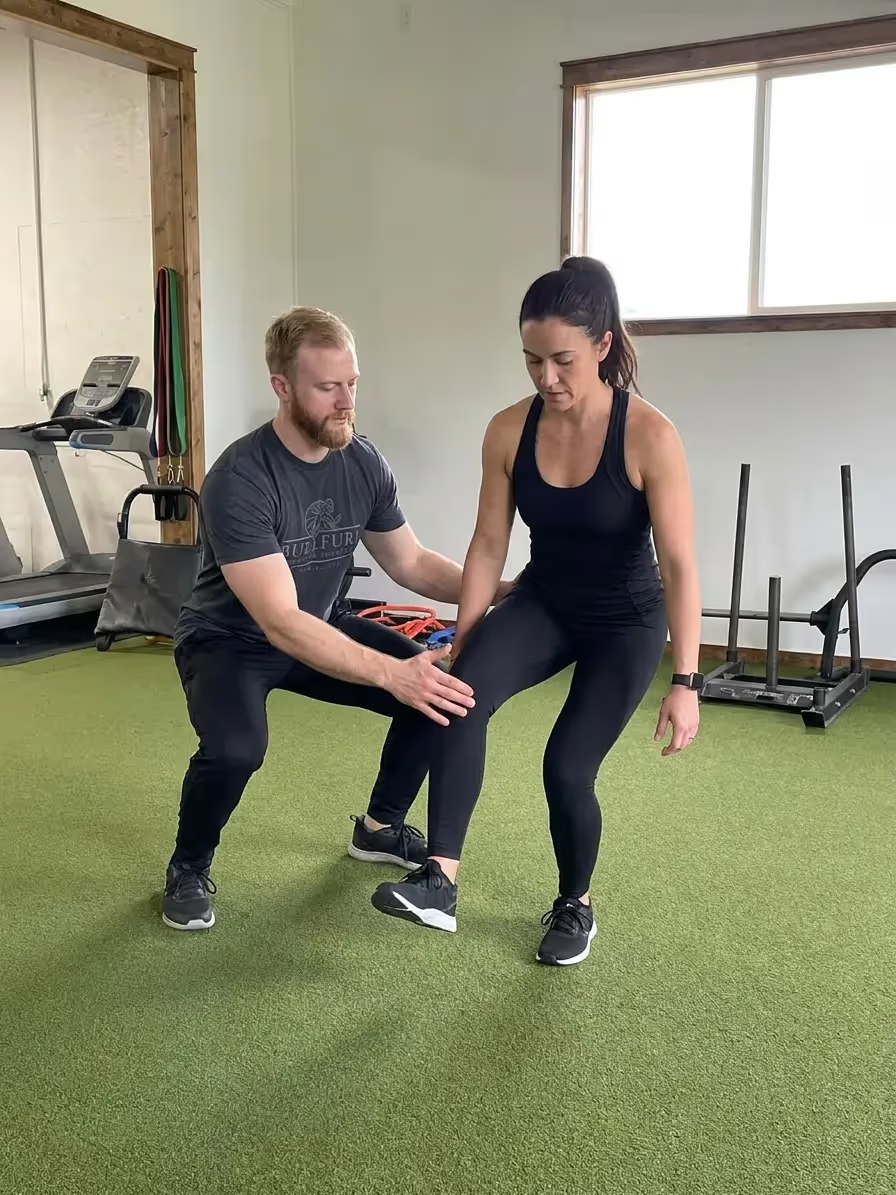
Your commitment to the process is the biggest variable you can control. Consistently attending your sessions at Full Curl Physical Therapy & Sports Performance and completing your home exercise program are both essential. Skipping sessions or ignoring activity modifications can significantly prolong recovery. Diligent effort and adherence to your plan are what truly accelerate your return to peak performance.
Individual Healing Capacity
Your overall health, nutrition, sleep quality, and even genetics all play a role in how quickly your body repairs itself. As we age, the healing process may require more intentional recovery strategies. A holistic approach that prioritizes proper movement, rest, and strength building can optimize your body's ability to heal effectively.
Typical Timelines for Common Injuries
While every individual's journey is unique, general benchmarks can help you plan your season. Performance physical therapy in Helena, MT focuses on moving you safely from pain to full function.
Soft Tissue Injuries
For common soft tissue injuries like ankle sprains or hamstring strains, initial pain relief is often achieved within 2 to 4 weeks. Functional restoration, meaning regaining the strength needed for daily activity, typically takes 6 to 12 weeks. Full performance restoration is a longer process. For a trail runner to return to technical terrain without risk of re-injury, the timeline often extends to 3 to 6 months, with a focus on power, agility, and sport-specific mechanics.
Joint-Related Issues
Injuries affecting the joints, such as runner's knee (patellofemoral pain) or rotator cuff impingement, often require more patience. Initial pain management typically takes 4 to 8 weeks. Restoring full strength, mobility, and joint stability can span 2 to 4 months. Achieving a completely pain-free return to demanding activities, such as carrying a heavy pack on a multi-day hike, could take 4 to 9 months. This extended timeline ensures the root cause is addressed and long-term resilience is built.
Real-World Examples for Helena's Active Community
Trail Runner's Knee
Patellofemoral pain is a common complaint on local trails and can quickly derail a training season. With targeted orthopedic physical therapy, many patients experience meaningful pain relief within 4 weeks through manual therapy and focused strengthening. However, returning to long-distance mountain runs with improved gait mechanics and hip stability typically takes 10 to 16 weeks. A running gait analysis can be especially valuable here, identifying the movement patterns contributing to the problem and reducing the risk of recurrence.
Ankle Sprain
A misstep on uneven terrain can sideline your season quickly. While acute pain may resolve within 3 to 5 weeks, regaining the stability and power needed for confident movement on technical ground takes 8 to 14 weeks. Balance and proprioception training combined with plyometrics and return-to-sport progressions are key components of a complete recovery at this stage.

Beyond Pain Relief: The Performance Difference
Many clinics stop treatment once pain subsides. At Full Curl Physical Therapy & Sports Performance, being pain-free is only the first milestone. The goal is true performance restoration, meaning you are not just getting through the day but are stronger, more mobile, and better equipped to handle the demands of your outdoor pursuits than you were before the injury.
This approach bridges the gap between basic rehabilitation and full athletic function, ensuring you can return to the trails around Helena with confidence and without limitations.
What Sets Full Curl Physical Therapy & Sports Performance Apart
- One-on-one, DPT-led sessions that provide a full hour of dedicated, individualized attention every visit
- No technician handoffs, ensuring every minute is optimized for your specific progress
- Customized, progressive programs tailored to your sport and personal performance goals
- Direct access in Montana, meaning no physician referral is required to begin treatment
- Return-to-sport testing and movement screens to objectively measure readiness before full activity resumption
- Dry needling, cupping, soft tissue mobilization, and other advanced treatment modalities to support faster tissue recovery
- Strength and conditioning integration to ensure you return stronger, not just recovered
Start Your Recovery at Full Curl Physical Therapy & Sports Performance
Understanding the timeline for physical therapy is the first step. Actively participating in a tailored, expert-led program is what makes the difference. While timelines vary based on injury type and individual factors, your commitment combined with the focused expertise at Full Curl Physical Therapy & Sports Performance will accelerate your journey back to the activities that matter most.
If you are ready to stop guessing and start progressing, contact Full Curl Physical Therapy & Sports Performance today to schedule your evaluation and begin your personalized path to performance physical therapy in Helena, MT.
