
Running Gait Analysis in Montana City, MT
See Exactly What's Holding Your Running Back
Runners come to us for gait analysis when they've hit the same wall — recurring injury, inefficient form, or a training ceiling they can't break through. We film your run, assess your mechanics, and give you a clear picture of what's driving the problem and what to do about it.

What Running Without the Data Costs You
You Keep Treating the Symptom, Not the Source
Rest and stretching address pain — not the movement pattern causing it. Without understanding your mechanics, the same injury returns the moment mileage or intensity climbs again.
Training Improvements Hit a Wall
Efficient form is a performance variable, not just an injury factor. Runners who've never had their gait assessed often discover they've been working against themselves.
Generic Advice Doesn't Fit Your Pattern
Form cues and videos online assume a generic runner. Your gait is specific to your body, your history, and your training demands — and your plan should be too.
Gait Analysis Built for Real Montana Runners
Most running assessments stop at observation. We film your run, analyze frame-by-frame, and connect what we see to your injury history and training goals — so the recommendations are specific to how your body actually moves.
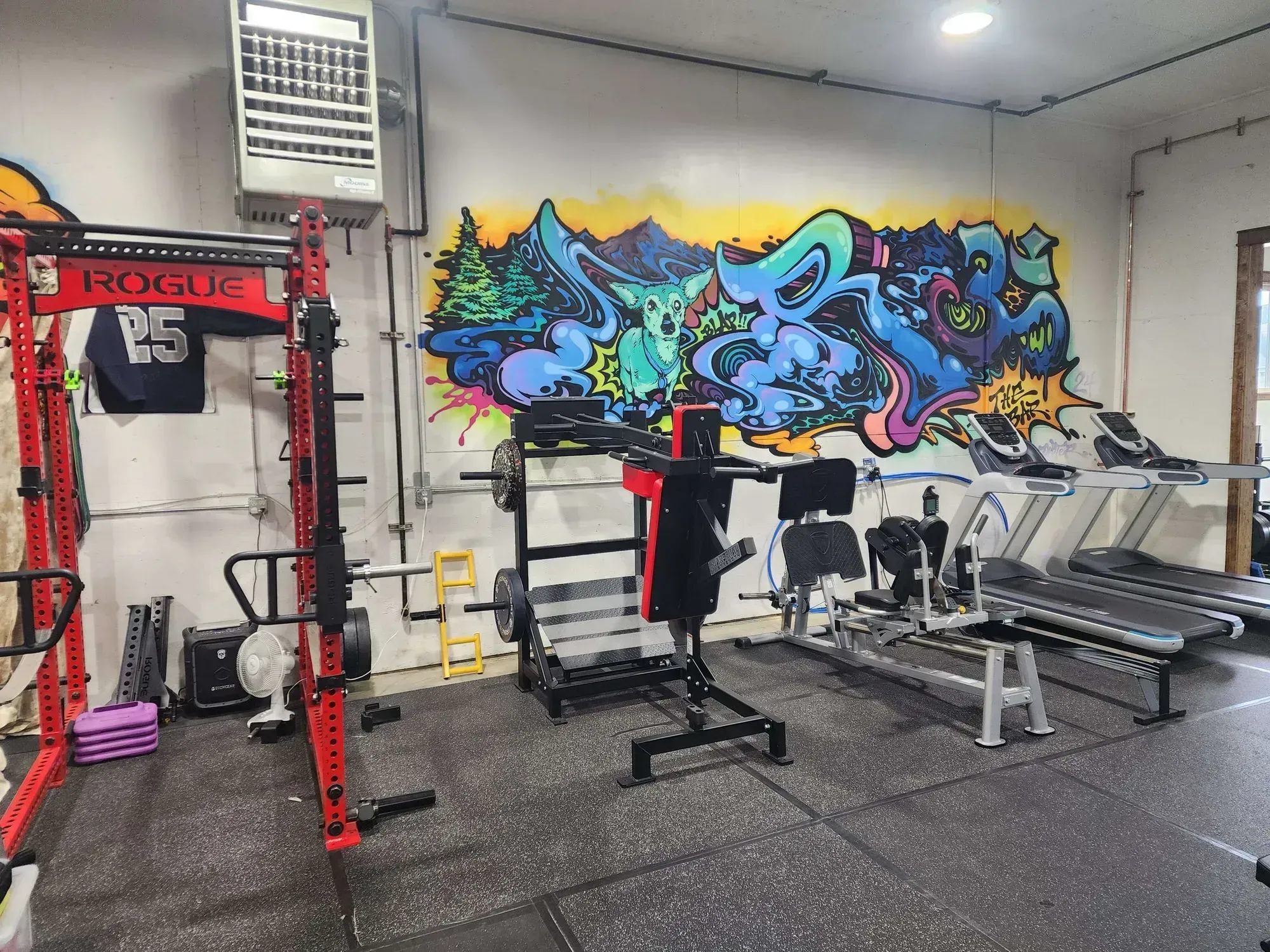

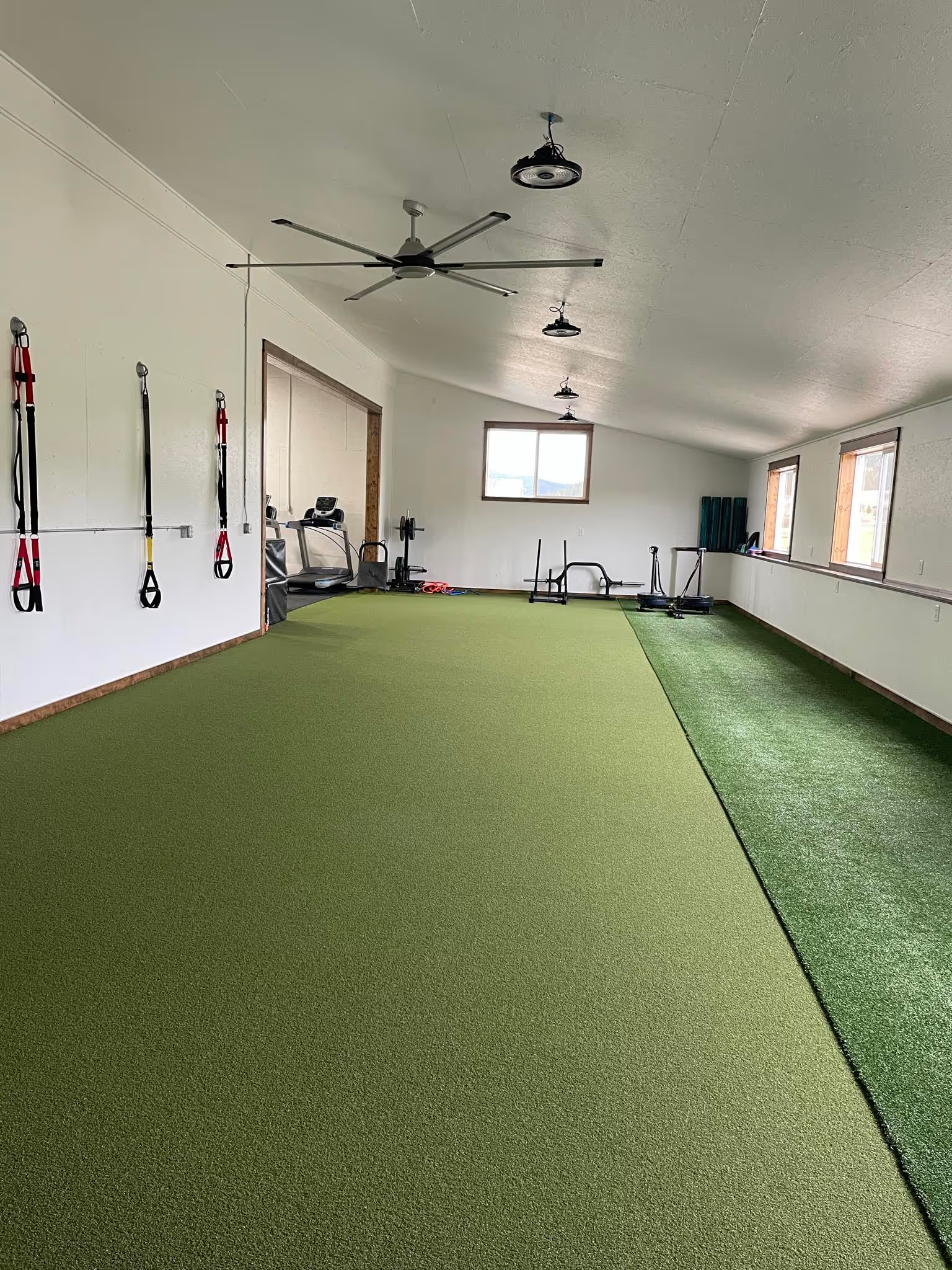
.webp)
Issues We Work With
We work with runners in Montana City and the Helena area who want a clear picture of what their movement patterns are driving — from recurring injury to performance plateaus.
Recurring Knee Pain — Runner's knee, IT band syndrome, and patellofemoral pain that keeps returning despite rest and basic rehab.
Achilles and Calf Issues — Achilles tendinopathy and calf strain patterns linked to foot strike mechanics and running load strategy.
Shin Splints and Bone Stress — Lower leg pain from high mileage or rapid load increases that doesn't fully resolve between runs.
Hip Pain and Weakness — Hip impingement, labral irritation, or hip strength deficits showing up as pain or inefficiency mid-stride.
Plantar Fasciitis and Foot Pain — Heel and arch pain linked to running mechanics and foot loading patterns that recur with increased mileage.
Low Back Pain While Running — Running-related back pain or stiffness linked to hip mobility, trunk stability, or stride patterns.
Injury Prevention for High Mileage Runners — Runners building toward a race, big season, or long objective who want to identify movement risks before they become injuries.
Performance Runners Chasing Efficiency — Competitive and performance-focused athletes looking to optimize form, reduce energy cost, and run faster or farther.
The Full Curl Process

Reduce
We begin by reducing pain. Utilizing evidence-based practices, we will get you back to moving without thinking about your injury.
.webp)
Relearn
With injury, the human body creates compensation patterns. Teaching proper movement is a vital part of reducing the risk for reinjury.

reload
Loading the tissues of the body in ways that are individualized to match your goals will get you back to living your life with confidence.
What Montana Runners Discovered
Hear from trail and road runners near Helena who finally got objective answers about what was slowing them down or causing injury.


Frequently Asked Questions
Considering running gait analysis in Montana City, MT? Here's what runners ask most before booking an assessment.
Not at all. Gait analysis is valuable for injured runners trying to find the root cause, and for healthy runners trying to run more efficiently and prevent future injury. Many patients come in mid-training cycle because they want to understand their movement patterns before a problem develops.
We film your run from multiple angles and review the footage together with you. Your Doctor of Physical Therapy assesses foot strike, hip mechanics, trunk stability, arm swing, and cadence — then explains what those patterns mean for your injury history and your training goals.
A running store assessment focuses on shoe selection. Our assessment connects your movement patterns to your injury history, your training load, and a clinical plan. We look for the mechanics driving injury or limiting performance — not just foot strike to match footwear.
When form changes are warranted, yes — but we introduce them gradually. Changing too much too fast creates new tissue stress. We prioritize the changes with the highest return for your specific patterns and phase them in carefully so the adaptation sticks.
Yes, and for many runners that's the most valuable path. Gait analysis paired with a full PT evaluation means we connect your movement data to a comprehensive injury assessment — identifying not just what your gait looks like, but what capacity deficits and movement patterns are driving the problem.
Still have questions?
Have a question not covered here? Reach out — we're happy to talk through your situation before you book.
Stop Guessing. Start Knowing.
Book a free discovery call and let's take a look at how you actually run — so you leave with a clear picture of what's happening, what it means, and exactly what to do about it.